





















Switch to the app and book faster and easier!

Where?
When?
2

Where to?

Traveling when?

Select departure month

2026

Jan
Feb
Mar
Apr
May
Jun
Jul
Aug
Sep
Oct
Nov
Dec

2027

Jan
Feb
Mar
Apr
May
Jun
Jul
Aug
Sep
Oct
Nov
Dec

2028

Jan
Feb
Mar
Apr
May
Jun
Jul
Aug
Sep
Oct
Nov
Dec

Who is travelling?

Who is travelling?

AdultsAges 18 or above

2

ChildrenUnder 18

0

Tour & Experience Incredible Destinations

Happy Halloween

Spooktacular Adventures

No tricks, just lots of treats!

  • Italy
  • Egypt
  • Iceland
  • Greece
  • France

Basics

  • The Location

    Iceland is a European country, bordered by the Greenland Sea and the Atlantic Ocean. Europe's westernmost country, Iceland is the second largest island in the North-Atlantic Ocean, and a little over 3 hours flight from London, Paris or Copenhagen.

  • Main Airport

    Keflavík International Airport, also known as Reykjavík-Keflavík Airport, is the largest airport in Iceland and the country's main hub for international transportation.

    Major airlines
    Icelandair and WOW air

CLP with images

CTA button

Centered Contact Us

Contact our Travel Experts

  • Contact our Travel Experts
  • Contact our Travel Experts
  • Contact our Travel Experts

+1 844 311 8331

24/7 Support

Our team of experienced tour specialists have travelled to hundreds of countries around the globe and have decades of first-hand travel experience to share. Contact us now to have all of your tour-related questions answered!

Contact us

  • CS agent
  • CS agent
  • CS agent

24/7 Customer Support

Our team of experienced tour specialists have travelled to hundreds of countries around the globe and have decades of first-hand travel experience to share. Contact us now to have all of your tour-related questions answered!

Don't miss our exclusive deals!

DAYS
HOURS
MINUTES
SECONDS

This is the Custom HTML CLP Block

Custom tour survey

Your dream tour

Your dream tour

Tell us a little about what you're looking for so we can find the right tour for you.

  • I'd like to travel on a:

    Image of a group of people gathering around a bonfire

    Group tour

    Travel with a group of other travelers and a tour guide.

    Two women watching the sunset

    Private tour

    Travel on your own or with your travel companions, with or without a guide.

  • When would you like to depart?

    • Oct 2026
    • Nov 2026
    • Dec 2026
    • Jan 2027
    • Feb 2027
    • Mar 2027
    • Apr 2027
    • May 2027
    • Jun 2027
    • Jul 2027
    • Aug 2027
    • Sep 2027
    • Oct 2027
    • Nov 2027
    • Dec 2027
  • How long would you like to travel?

    min. 3 days
    max. 21+ days
  • Which countries would you like to visit?

    Please enter at least one destination

    • What is your total budget per person?

      min. $0
      max. $10,000+
    • Tell us a bit more about you.

      Additional info*

      Are you interested in culture, fine dining and romance? Keen to embrace the outdoors and stay active while you travel? Tell us more about what you'd like to experience!

      0 characters. Please add minimum 20 characters

      Your request is free and non-binding

    • We’ve just sent you an email confirmation of your tour enquiry. We’ll get back to you within two business days to fine-tune all the details.

    Divider

    FAQ

    • Do you tip in Iceland?

      Generally, tipping is not customary or expected in Iceland, as service charges at restaurants, hotels, spas and tour guides are usually included in the bill. If it’s not included at a restaurant, or you feel like you want to include a tip anyway, a 10% gratuity is acceptable.
    • What is the internet access like?

      Internet and wifi are widespread throughout Iceland and are usually free in accommodation, food venues, tourist information centres, petrol stations and sometimes buses, as well. There could be a small fee or you may need to ask a staff member for an access code.
    • Is the tap water safe to drink?

      Is the tap water safe to drink?
    • Is the tap water safe to drink?

      Is the tap water safe to drink?

    Follow Us

    Hero with search

    Search, compare & book over 40,000 multi-day tours around the world.

    Highlights columns slider

    Highlights columns

    • Þingvellir

      This national park sits in a rift valley caused by the separation of 2 tectonic plates and is where you’ll find the Silfra fissure, where you can snorkel or dive between the North American and Eurasian tectonic plates - a truly unique experience.

    • Geysir

      This national park sits in a rift valley caused by the separation of 2 tectonic plates and is where you’ll find the Silfra fissure, where you can snorkel or dive between the North American and Eurasian tectonic plates - a truly unique experience.

    • Geysir

      This national park sits in a rift valley caused by the separation of 2 tectonic plates and is where you’ll find the Silfra fissure, where you can snorkel or dive between the North American and Eurasian tectonic plates - a truly unique experience.

      Highlights fixed columns

      • Arctic fox

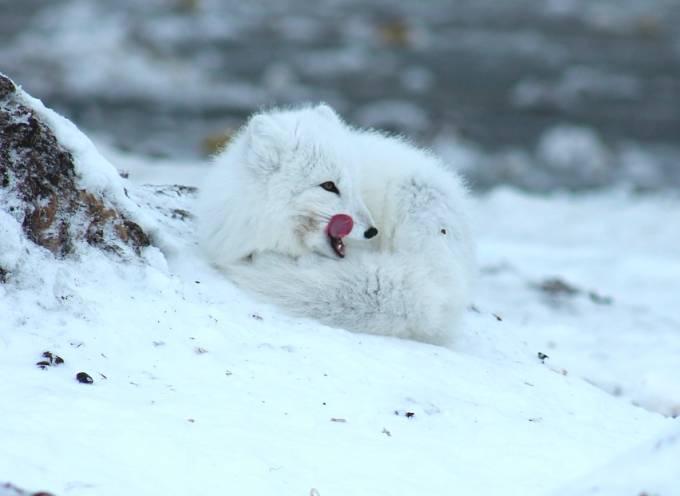
        In the winter, the arctic fox's grey fur turns pure white, allowing them to seamlessly blend in with the snow around them. The arctic fox is the only mammal native to Iceland, and visitors can even explore the Arctic Fox Centre in Sudavik, home to two live arctic foxes rescued as pups in 2015. Iceland isn't the only place travellers can find arctic foxes, though; these animals live across the entirety of the Arctic Tundra. During winter, arctic foxes can be found following polar bears for their leftovers. The best time to see arctic foxes is during a bright Arctic night in the summer - while they often stay in their dens during the day, at night they're much more active and easy to spot. 
      • Arctic fox

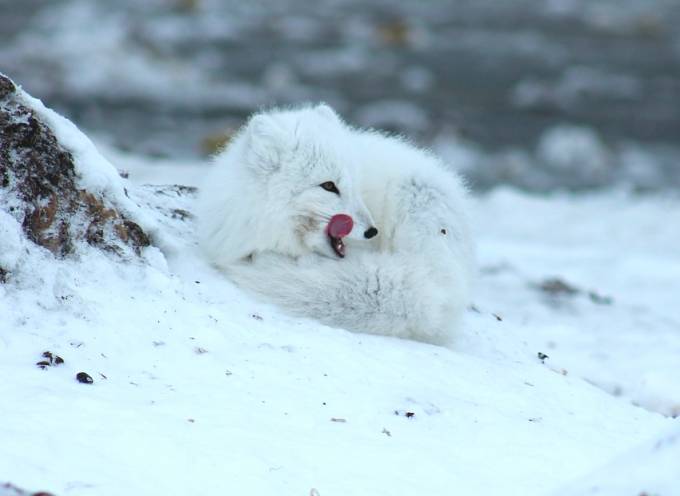
        In the winter, the arctic fox's grey fur turns pure white, allowing them to seamlessly blend in with the snow around them. The arctic fox is the only mammal native to Iceland, and visitors can even explore the Arctic Fox Centre in Sudavik, home to two live arctic foxes rescued as pups in 2015. Iceland isn't the only place travellers can find arctic foxes, though; these animals live across the entirety of the Arctic Tundra. During winter, arctic foxes can be found following polar bears for their leftovers. The best time to see arctic foxes is during a bright Arctic night in the summer - while they often stay in their dens during the day, at night they're much more active and easy to spot. 
      • Arctic fox

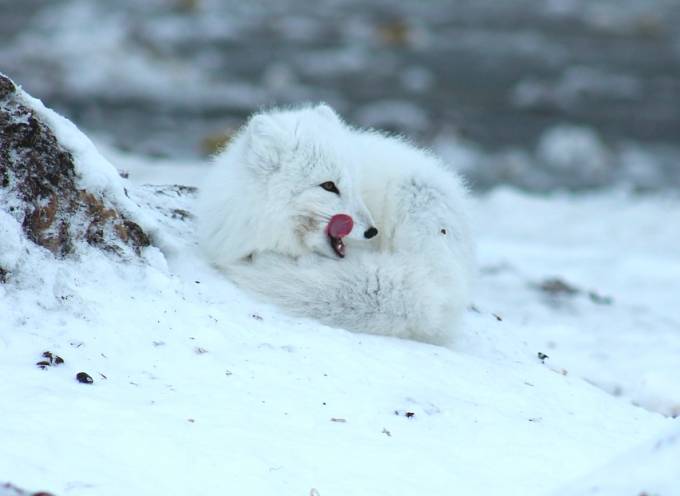
        In the winter, the arctic fox's grey fur turns pure white, allowing them to seamlessly blend in with the snow around them. The arctic fox is the only mammal native to Iceland, and visitors can even explore the Arctic Fox Centre in Sudavik, home to two live arctic foxes rescued as pups in 2015. Iceland isn't the only place travellers can find arctic foxes, though; these animals live across the entirety of the Arctic Tundra. During winter, arctic foxes can be found following polar bears for their leftovers. The best time to see arctic foxes is during a bright Arctic night in the summer - while they often stay in their dens during the day, at night they're much more active and easy to spot. 

      Highlights gallery

      Icon Columns (Sales)

      Use our difficulty grading system to understand which hiking and trekking tour matches your abilities.

      Image with text columns

      River cruising allows travellers the opportunity to intimately experience new and familiar destinations with luxury and class. If you’re looking for that up-close and personal experience without sacrificing any of the usual comforts, river cruising is the perfect option for you.

      Image with a text

      At this level, experience is not necessary and anyone in good health who can manage walking long, flat distances can handle this grade. Typically hikes and treks graded as easy are short in duration and do not reach high altitudes.

      Interactive story

      Please rotate your device to landscape mode to watch the experience.

      Watch our adventures in Egypt!

      Explore Garden District
      Choose now
      15
      Meet a Voodoo Queen
      Jump ahead

      List of operators

      Marketing banner

      Media with text

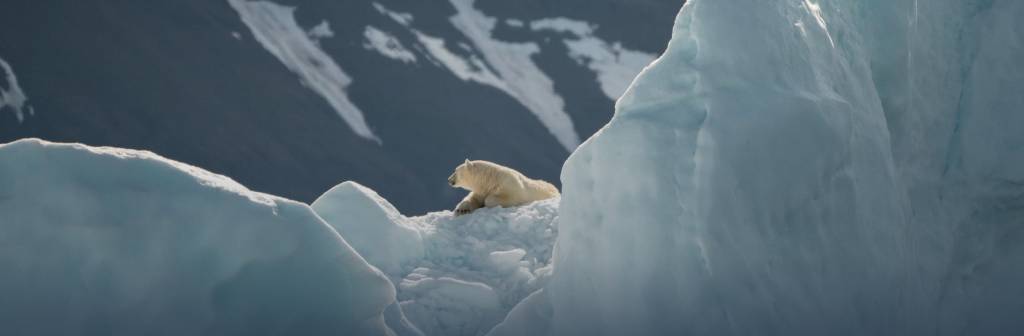
      Polar bears - some of the most famous Arctic inhabitants - can be found in Alaska, northern Canada, Greenland, and Norway's Svalbard Archipelago. Travellers set on catching a glimpse of these majestic white bears should travel in the summer when some Arctic ice has melted and the bears will spend more time on shore. Polar bears in the wild are an incredible sight to behold, but make sure you always listen to your guide’s advice and practise reasonable safety precautions when you’re anywhere near them.

      Depending on when you visit, the likelihood of seeing polar bears can be very high, so plan accordingly. Polar bears eat seals (bearded and ringed) almost exclusively, but have been known to also eat walrus, whale, birds' eggs, and, very occasionally, vegetation. Female polar bears can grow to be up to 2.4 metres (7.9 feet) on their hind legs and weigh up to 250 kilograms (551 pounds), while males can reach up to 3 metres (9.8 feet) on their hind legs and 450 kilograms (992 pounds). 
      Learn when and where to see polar bears.

      SEO link/deals

      SERP continents with countries

      SERP with images

      Simple form

      Watch the journey unfold

      Applications for Tour the World - a once-in-a-lifetime opportunity - may be closed but that doesn’t mean you can’t come along for the ride. You can follow the winners on their adventure across the globe. What will happen after fifty days of travel with a total stranger? Sign-up to watch this story unfold.  
      Follow along

      By clicking ‘Subscribe now’ you agree to our ‘Terms and Conditions’

      Terms & Conditions

      Simple image

      Slider with media

      Social proof

      ExcellentTrustpilot Star

      Based on 10,000+ reviews

      Social Sharing

      Table

      JANFEBMARAPRMAYJUNJULAUGSEPOCTNOVDEC
      Average °C 3 3 5 7 9 12 14 14 11 8 5 3
      Average °F 37 37 41 44 48 53 57 57 51 46 41 37
      High °C 5 6 8 10 14 16 18 18 15 11 8 6
      High °F 41 42 46 50 57 60 64 64 59 51 46 42
      Low °C 0 0 1 3 5 8 10 10 8 5 2 1
      Low °F 32 32 33 37 41 46 50 50 46 41 35 33
      Rainfall (mm) 170 123 138 86 79 85 92 107 139 162 165 169

      Testimonial

      Travis Pittman
      Travis is an Australian who has lived in Vienna for the past 9 years, after spending 4 years in London on a working-holiday visa. In his former-life, he graduated as a Mechanical Engineer from the University of Queensland in Brisbane and has worked in a range of public and private companies around the globe. The Internet and Travel seemed to find their way to Travis, who now can't imagine himself working in any other industry.

      Text block

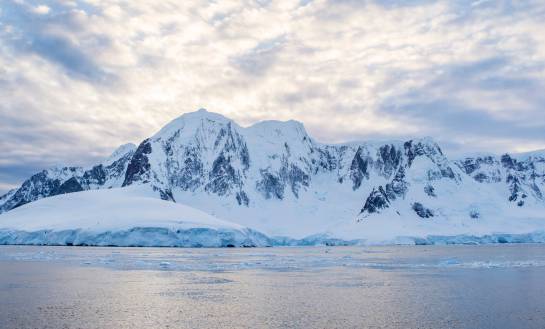
      With the weather being unpredictable and wild here, more precautions have to be taken when choosing what time to travel to this continent. The Antarctic region has only two seasons - polar summer and polar winter. Winter occurs between April and September and during these months the sun doesn’t rise, and average temperatures drop to -40°C (- 40°F). Polar summer starts with November, and the continent enjoys up to 24 hours of daylight and temperatures of +10°C (50°F) along the coast. Hence, Antarctica can be visited only during its polar summer which happens between November through March. 

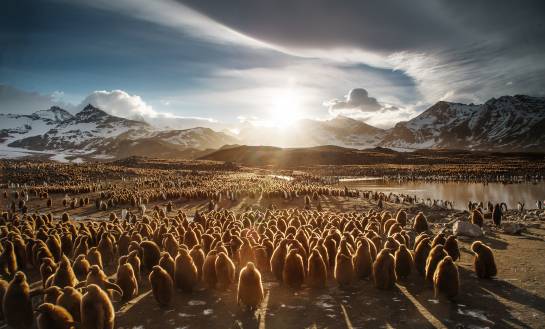
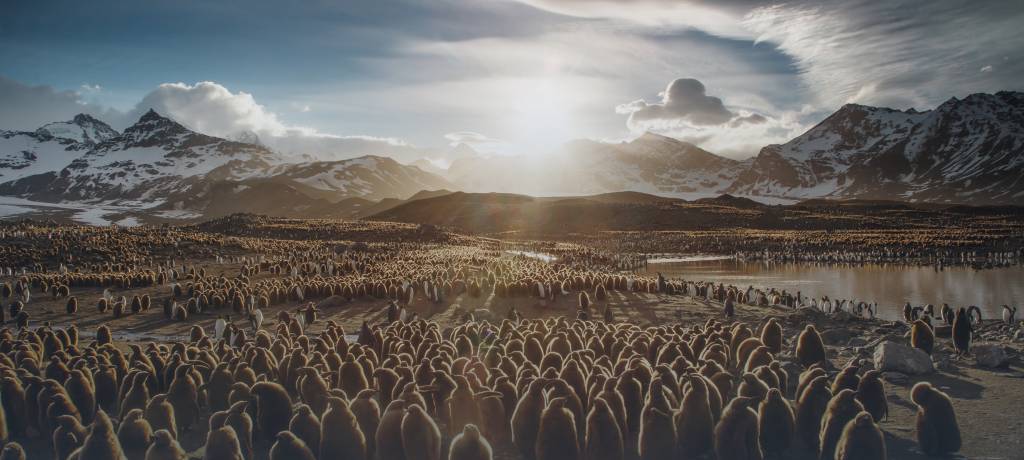
      The high season, December to early February, brings the highest temperatures on the Antarctic Peninsula and the most abundant wildlife; you can expect to see different species of penguin chicks and seal pups! Lower seasons, the months of November and mid-February to March, can provide harsher weather and a more authentic experience (in November), or prime whale watching time (mid-February to March). Keep in mind, however, that if you travel to Antarctica in mid-February to March, you run the risk of many land animals already having left to find food, and your wildlife spottings may not be as common or enjoyable.

      Antarctica
      Antarctica

      Did you know?

      What is the warmest temperature recorded in Antarctica?
      17.5 C (63.5 F) The temperature was recorded on 24th March 2015 at the Argentine Research Base Esperanza

      Text block with title

      Before you start your hiking escapade to the summit of Mount Kilimanjaro, you will need to establish how to get there, and the best mode of transport to suit your itinerary or tour. Travellers flying from the UK, the US, Australia or Canada and other parts of the world have a few options to explore.

      Each of these options should be carefully considered based on your budget and how much time you have to explore Tanzania before, or after your trek. Most importantly, don’t be tricked into booking the cheapest flight without considering if there might be a catch; including long layover times, additional visas or transport arrangements. 

      Title

      Top

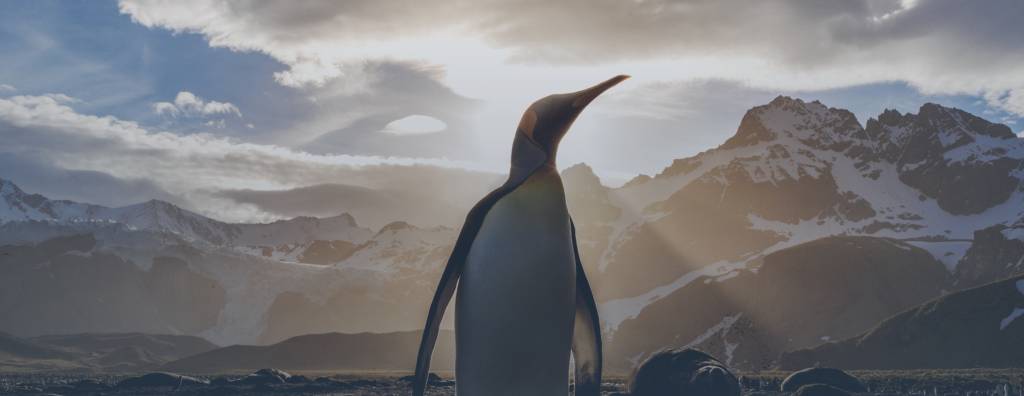
      Harsh weather allows exploration of Antarctica only a few months a year. Don’t miss your chance! Find out which month is the best to watch whales and when can you see penguin chicks hatching by scrolling down.

      Tours

      When to visit

      1. Peak Season

        June to August

        The warmer months in Iceland welcome visitors with the appeal of the magnificent midnight sun and extended hours of sunlight, however, this is when Iceland experiences a sharp influx of visitors – especially in Reykjavik and the south of the country. It is recommended that visitors pre-book all activities and accommodation in advance. Highland roads will re-open, and visitors can enjoy less extreme weather conditions for camping, hiking and other outdoor activities. Temperatures will average between 18-20°C and in some parts of Iceland will drop to a low of 7°C.

      2. Low Season

        October to April

        Low season in Iceland (over the months of October to April) is characterized by a significant drop in temperature, and some roads will be closed. This means parts of Iceland are not accessible and outdoor activities may be limited. Visitors will need to be aware of reduced daylight hours over the winter months, however, the possibility of viewing the northern lights is much greater. Over the low season, visitors will benefit from lower flight or hotel prices and will enjoy fewer crowds at the main sights or attractions such as the Blue Lagoon.

      Tours Slider

      cards slider