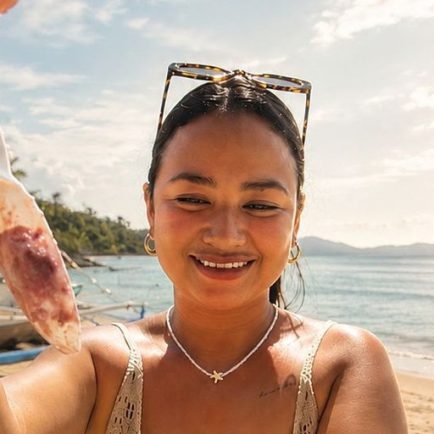

Magandang araw po! Mabuhay! My name is Diana Legaspi, but you can call me Dian.
I’ve been a tour guide for four years, welcoming groups of travelers from all over the world and doing everything I can to make their time in the Philippines memorable. My tours focus mainly on Palawan, one of the most beautiful provinces in the country, but I’ve also guided in Cebu.
When you travel somewhere new, there are always questions you want answered before you arrive. After years of guiding travelers around the Philippines, these are some of the things I think you should know.
Is the Philippines safe?
In my experience, the Philippines is a very welcoming place for travelers. Filipinos are known for our hospitality, and helping visitors is a big part of our culture.
If you get lost, don’t be afraid to ask someone for directions. You’ll often find that people are happy to help, and sometimes they’ll even walk with you to show you where you need to go.
Like anywhere in the world, though, it’s important to stay aware of your surroundings, especially somewhere unfamiliar.
Is the Philippines safe for a woman traveling alone?
I’m Filipina and I regularly travel alone, including during the first few days before my tours begin. I also love exploring places on foot, and I’ve generally felt comfortable doing so.
That doesn’t mean you should forget the usual precautions. Avoid walking alone in dark or unfamiliar places, stay aware of your surroundings, and ask someone local if you’re unsure about an area.
That’s also part of my job as a guide. I can tell travelers where I recommend going, where I’d be more careful, and what they might not know about a place when they first arrive.
Are there sharks in the Philippines?
Yes! Our waters are home to many different species of sharks, including whale sharks.
One of the best-known places to see whale sharks is Oslob in Cebu, although they can occasionally be spotted around Palawan too. From Manila, you can fly to Cebu in around an hour, followed by a journey of roughly five to six hours by car or van to Oslob.
Whale sharks are the largest fish in the world and are an endangered species, so it’s important to treat any encounter with care. Follow the local rules, keep your distance, and respect the animals and their environment so future generations can experience them too.
When is the best time to visit the Philippines?
Most Filipinos will tell you December to May. But personally, October is one of my favorite months.
After four years of guiding in Cebu and Palawan, I’ve often found October brings calm seas, beautiful sunsets, and great conditions for snorkeling.
I also remember that when I was a child, we thought of the wet season as running from around June to October. Over the years, I’ve noticed the weather becoming less predictable, with rain sometimes arriving earlier.
For the places where I guide, I usually recommend traveling between October and April, while keeping in mind that weather can vary across the Philippines.
What should I pack, and what should I wear?
The Philippines is a tropical country, so light, comfortable clothes will be your best friend. Shorts, skirts, T-shirts, and sleeveless tops are all useful, and sun protection is essential. Bring sunscreen, sunglasses, and anything else you normally use to protect yourself from the sun.
If you’re visiting churches or religious sites, bring something more conservative to cover up as a sign of respect.
I also recommend packing a dry bag, especially if you’ll be island hopping or spending a lot of time around the water. Most accommodations provide towels, so you usually don’t need to use valuable luggage space for one.
Otherwise, bring clothes you feel comfortable in, whether you’re heading to the airport, exploring an island, or going out for the night.
Cash or card?
My advice is simple: always have some Philippine pesos with you.
ATMs are available in many tourist destinations, but you don’t want to spend your holiday searching for one only to find that it’s temporarily unavailable.
Many hotels, restaurants, and convenience stores accept cards, but smaller businesses often don’t. Sari-sari stores, local markets, tricycles, and other small local services will often require cash.
Having both a card and some cash gives you the most flexibility.
Will my phone work, and what plug do I need?
Your phone should work as long as you have a connection.
For internet access, eSIMs are convenient, but if you’re traveling on a budget, you can also buy a local SIM card and register it. Smart and Globe are the two networks I usually recommend. Wi-Fi is also available at most hotels.
For charging your devices, Type A plugs are commonly used in the Philippines, and the electricity supply is generally 220 volts. Check your devices before traveling to make sure they’re compatible, and bring the right adapter if you need one.
How do I get around?
When you arrive in Manila, one of the first forms of transportation you might notice is the jeepney.
Jeepneys are one of the most recognizable forms of public transportation in the Philippines, and riding one is an experience in itself. They’re inexpensive and especially common around Manila and other cities.
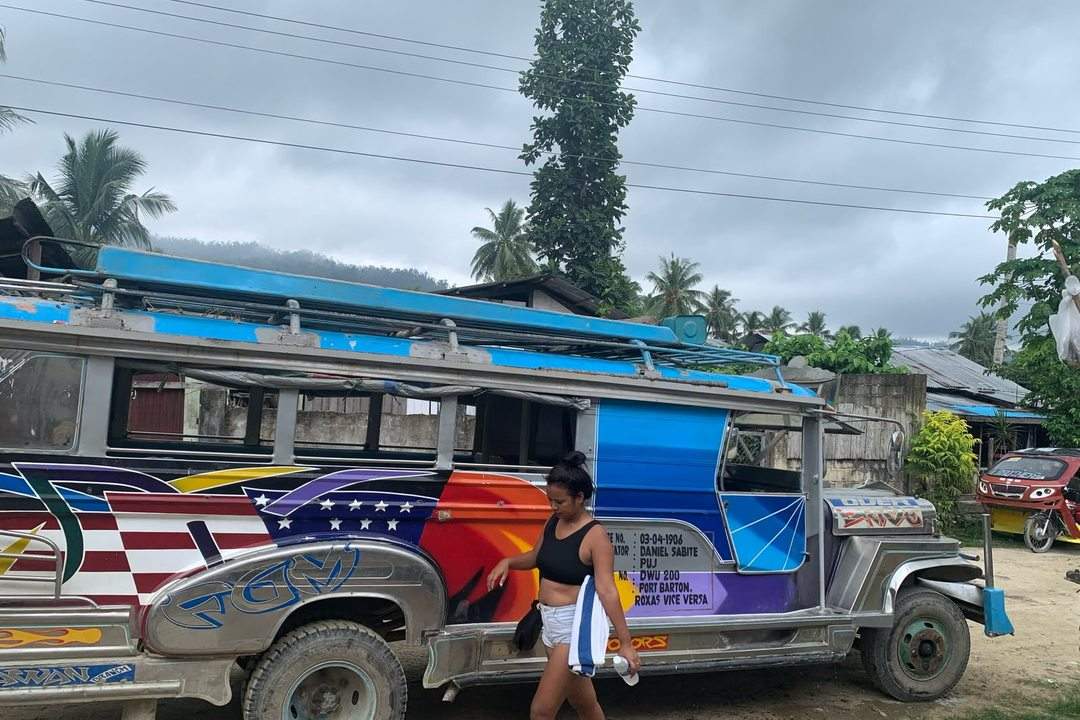
In many tourist destinations, you’ll also come across tricycles, tuk-tuks, and habal-habal, which are motorcycles with a driver.
In places like Palawan, you can ask your hotel reception or tour guide to help arrange a habal-habal because you won’t necessarily find one waiting on every street.
If you’re an experienced driver and have the appropriate license, renting a motorbike can also be a way to explore independently.
What is the Philippines actually like?
The Philippines has a very rich culture. You see it in how we socialize, our values, our religion and festivals, and definitely in our food.
For Filipinos, food is about much more than filling our stomachs. Food brings people together.
One experience I love is a boodle fight. Instead of everyone having their own plate, food is spread across banana leaves on a long table, with meat, seafood, vegetables, fruit, and, of course, rice.
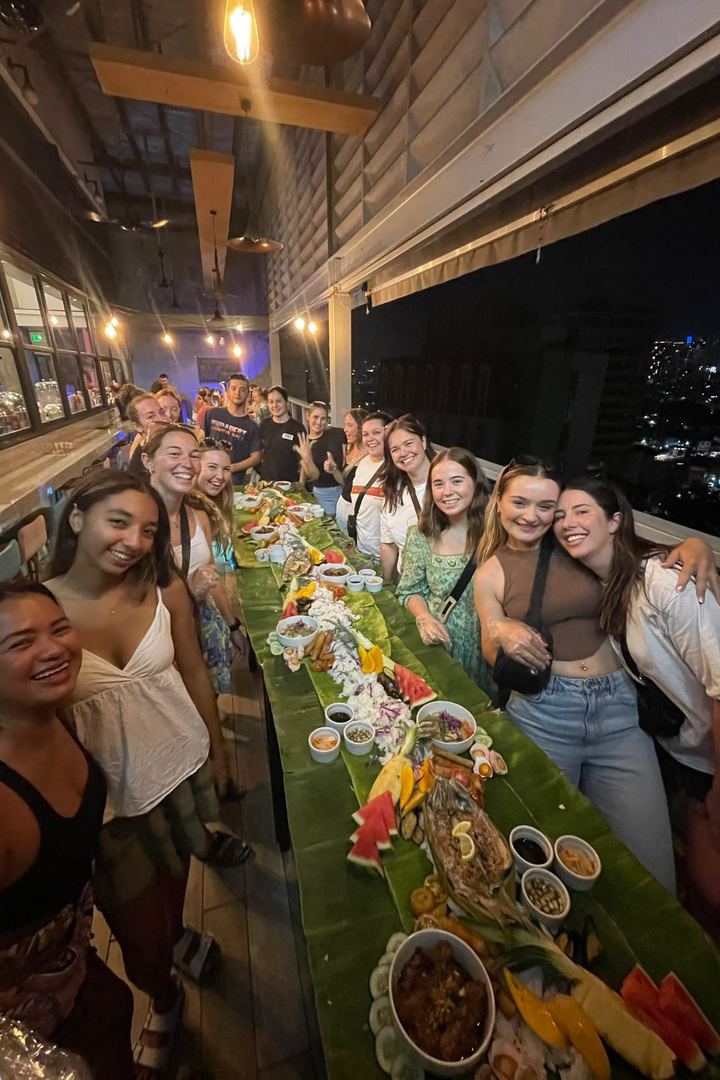
Everyone gathers around the same table to share what we have, talk, laugh, and eat with our hands. Yes, we really do enjoy our food even more that way!
Adobo, sisig, lumpia, kare-kare, sinigang, and lechon are just some of the Filipino dishes you might encounter while you’re here.
Where should I go in the Philippines?
The Philippines has 7,641 islands, so deciding where to go can be difficult. My advice is to start with what you actually want to experience.
For whale sharks, sardines, and waterfalls: Cebu.
If these are high on your list, I recommend staying in Moalboal. It’s around four hours from Cebu City and makes a good base for exploring many of these experiences.
For surfing: Siargao.
If surfing is what brought you to the Philippines, Siargao is for you. But even if you don’t surf, the island has plenty to explore.
For sunsets and water activities: Boracay.
Boracay is famous for its beach, sunsets, and huge choice of activities on and around the water.
For white-sand beaches, snorkeling, diving, islands, and lagoons: Palawan.
This one is particularly close to my heart because Palawan is where I live.
Puerto Princesa is home to the famous Underground River in Sabang. If you want dramatic rock formations, islands, and lagoons, head to El Nido. And Coron is known for its lakes, islands, reefs, caves, and shipwreck diving.
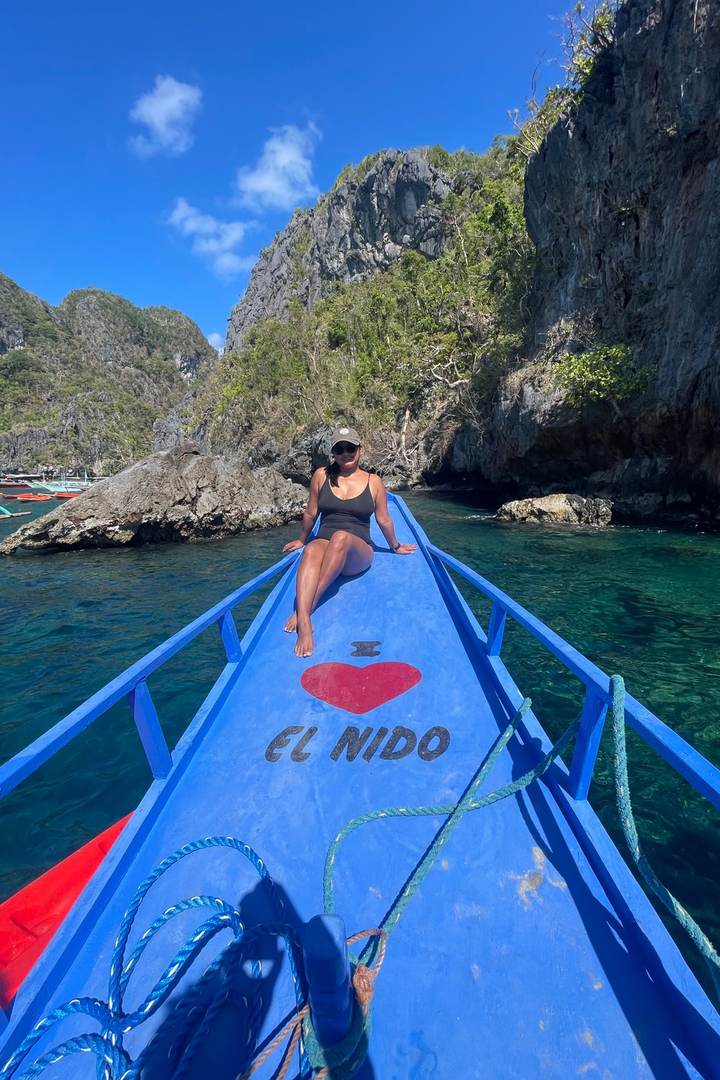
But there’s another place I always tell travelers about.
The place nobody expects to love: Port Barton
Between Puerto Princesa and El Nido lies San Vicente, an area many travelers still pass through without realizing what they’re missing.
San Vicente is home to Long Beach, a stretch of white sand approximately 14.7 kilometers long.
But if you want somewhere quieter, there’s Port Barton, also part of San Vicente.
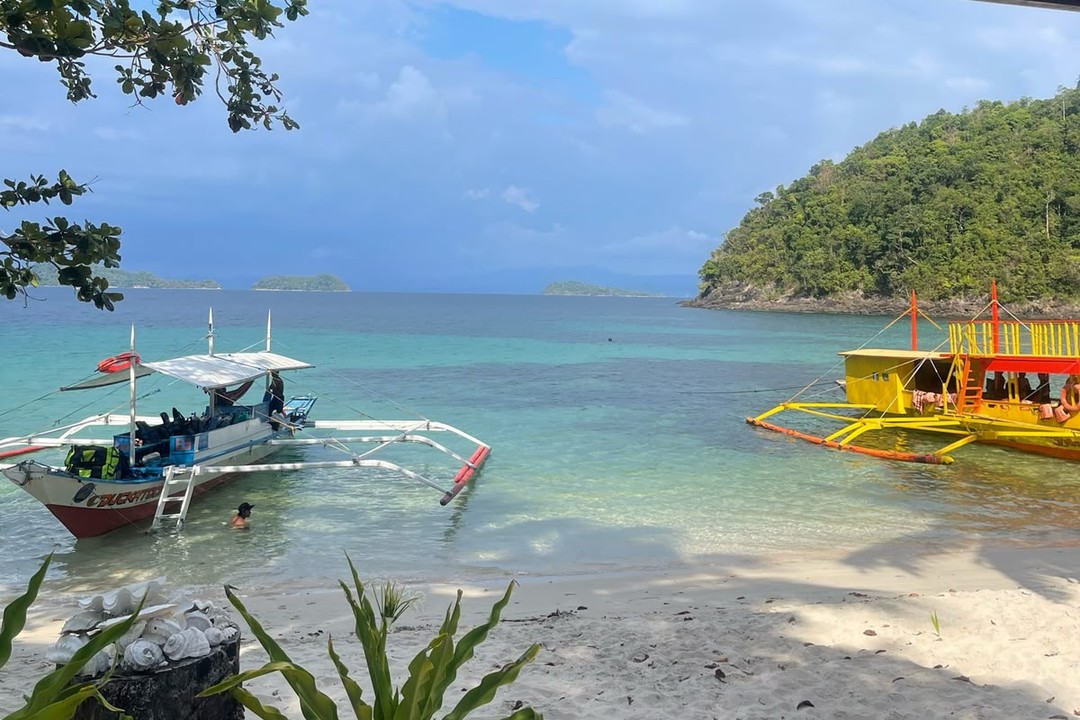
Port Barton has been a highlight on so many of the tours I’ve guided. It’s a small village where you can slow down, walk around easily, and connect with the local community.
As you walk through town, say “Kamusta?” to the people you meet. It’s how we ask, “How are you?” You’ll quickly see how welcoming and helpful people can be.
You can go island hopping, camp, trek to waterfalls, or simply enjoy being somewhere that still feels relaxed and close to the community.
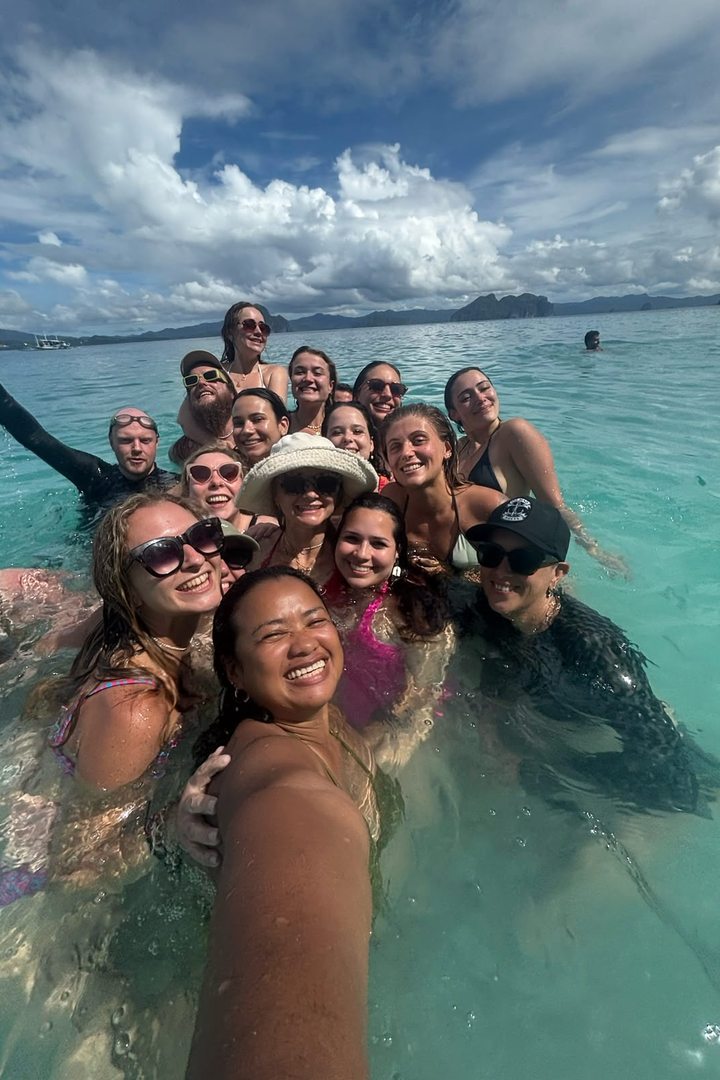
For me, that’s what makes Port Barton special. You don’t just come home with photos. You come home feeling like you experienced a little bit of local life.
And there are still so many more beautiful places to discover across the Philippines, so make sure you leave some space on your phone for all the Moments you’ll want to capture.
See you in the Philippines!
Maraming salamat po for reading my article.
And if you ever want to try my very famous lumpia, the Filipino spring rolls I personally cook for my groups, come and find me.
See you in the Philippines!
Dian 😊
Ready to go? Browse organized adventures in the Philippines.